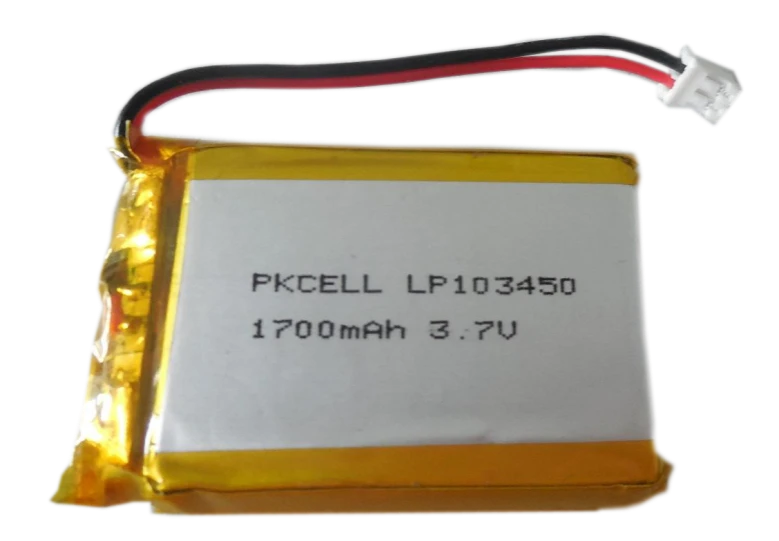
1. Electrolyte: ordinary lithium-ion batteries use liquid electrolytes, while polymer lithium-ion batteries use colloidal polymer electrolytes.
2. Explosion probability: The internal temperature of an ordinary lithium-ion battery may rise, causing the expansion of liquefied gas. When the pressure reaches a certain level, an explosion may occur. However, polymer lithium-ion batteries will not generate a lot of gas due to liquid boiling because of the use of colloidal electrolytes, thus reducing the possibility of violent explosions.
3. Shell: The shell is mostly made of aluminum-plastic composite film, which can expand and release pressure.
4. Shape: The polymer lithium-ion battery can be thinner, in any area and in any shape.